Iran oil industry posts fresh records in output, exports, capacity building
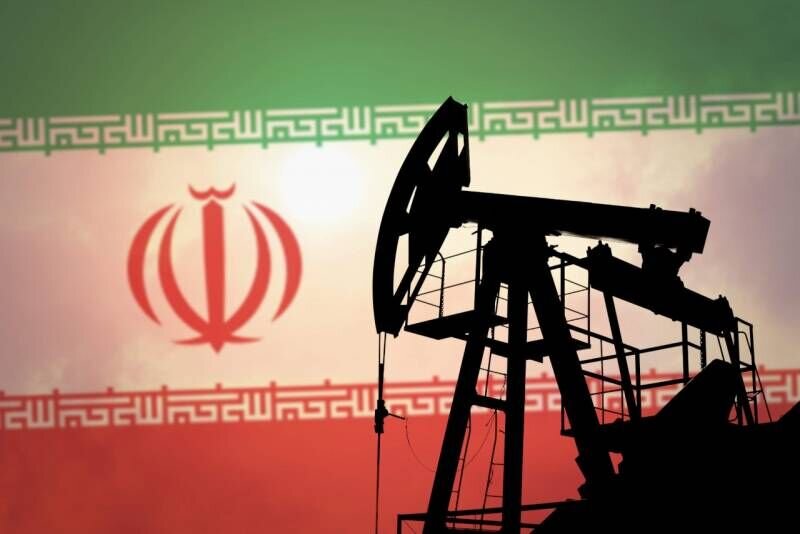
TEHRAN – Iran’s oil industry has set new records in production, exports and capacity development over the past 18 months, despite continued sanctions and external constraints.
According to IRNA, the upward trend became evident in January 2025 when Oil Minister Mohsen Paknejad announced that Iran had broken a decade-old record in crude oil exports, attributing the achievement to targeted measures to neutralize sanctions and sustained efforts by industry workers.
During the first 175 days of the fourteenth administration, the National Iranian Oil Company (NIOC) increased crude oil production by 75,000 barrels per day, while daily raw gas output reached a record 1.106 billion cubic meters, the highest level ever recorded in Iran’s gas sector.
OPEC’s February 2025 monthly report showed Iran’s oil production rose by 34,000 barrels per day to 3.308 million bpd, consolidating its position as OPEC’s third-largest producer after Saudi Arabia and Iraq.
Production growth continued into 2025. In April, NIOC’s chief executive said oil output had risen 7 percent under the current administration.
The trend peaked in June, when data from international analytics firm Vortexa showed Iran’s average crude exports reached 1.8 million bpd, the highest level in the country’s export history.
In September, Iran recorded its highest crude oil production in seven and a half years, with NIOC crediting the result to specialist expertise and alignment with the administration’s broader economic goals.
Paknejad said average crude exports in the first four months of the year were 21,000 bpd higher than a year earlier. He added that average crude production over the past year rose by more than 100,000 bpd, while upstream raw gas output increased by over 30 million cubic meters per day.
In terms of capacity building, Iran’s crude production capacity rose by an average of 127,000 bpd. Oil sales in the first four months of the year increased by around 630,000 barrels per month compared with the same period last year, figures the minister said showed Iran faced no difficulties in selling its oil.
South Pars, Iran’s largest gas field, played a central role in these gains. Daily gas output from the shared field reached 727 million cubic meters in February 2026, while 25 million cubic meters per day of new production capacity was added. This figure is expected to rise to 30 million cubic meters per day by year-end as new wells come online.
The figures indicate that Iran’s oil and gas sector has entered a new phase of sustained growth and resilience, reinforcing its strategic role in the national economy through higher production, exports and capacity expansion, IRNA said.
EF/MA
Leave a Comment